





Disc Brushes vs Cylindrical Brushes – Which is Better for Floor Cleaning?
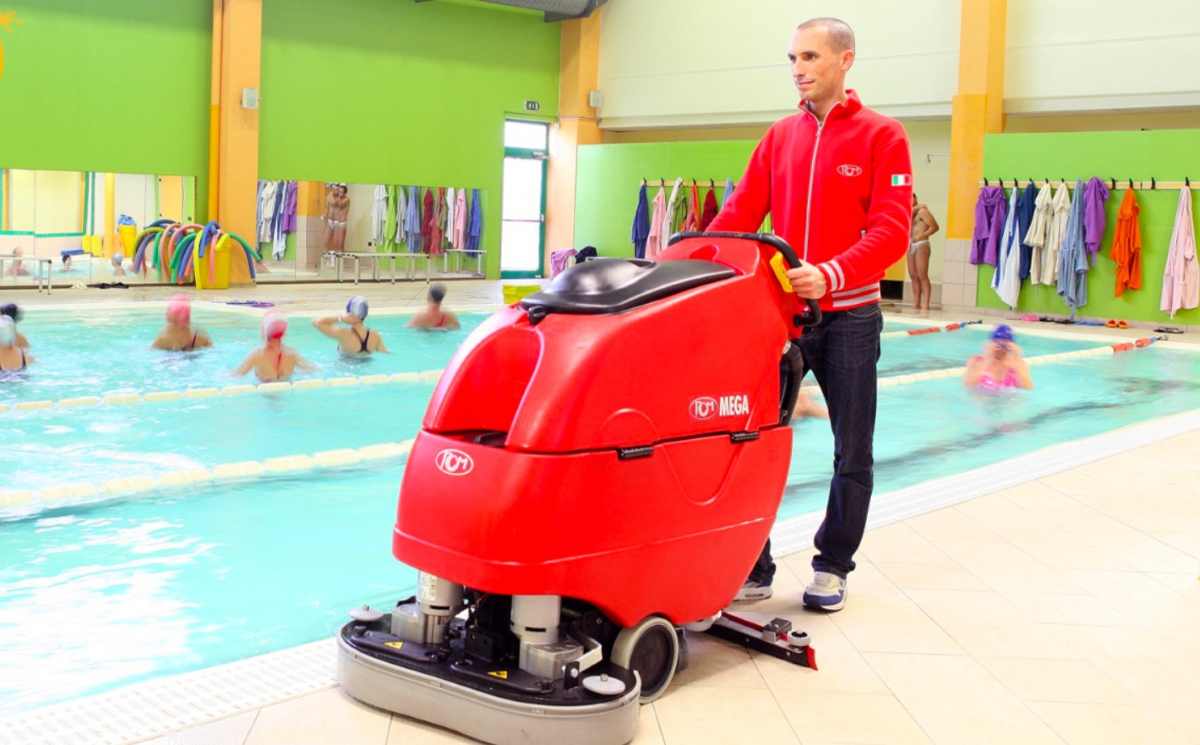
At a Glance
Choosing between disc brushes and cylindrical brushes depends on the floor surface, dirt type and cleaning requirements. Disc brushes are generally suited to smooth, sealed floors, while cylindrical brushes can work well on textured surfaces and areas with loose debris. Cleaning width, brush configuration, tank capacity and recovery performance should also guide the choice.
Explore Euromec’s cleaning machines or call us to discuss your floor-cleaning requirements and book a demonstration today.
Why Brush Type Affects Floor Cleaning
When floor cleaning takes longer than planned, the problem isn’t always the cleaning team. The brush head can directly affect how quickly dirt is removed, how many passes are needed and how well the machine copes with the surface.
Euromec’s RCM range shows the difference in practical terms, with machines such as the RCM GIGA ride-on scrubber dryer available with twin discs or twin rollers and the larger variant, the TERA ride-on scrubber dryer, which can be configured with twin discs, twin rollers or three discs. The GIGA can clean more than 3,600 square metres per hour, while the TERA can cover more than 10,000 square metres per hour in suitable conditions.
For facilities managers and operations teams, brush configuration is an important part of selecting a machine, so understanding disc brushes vs cylindrical brushes is key to choosing a floor scrubber dryer better suited to the site’s cleaning demands.
What Is a Disc Brush?
A disc brush is a circular brush that rotates against the floor. Depending on the machine, one or two discs sit beneath the cleaning head and work across the surface as the machine moves forward.
Disc brushes are well-suited to smooth, sealed floors where the main task is loosening dirt and removing marks from an even surface. They can also be supplied in different brush and pad configurations, giving cleaning teams flexibility when working across commercial and industrial floors.
The RCM Byte II, for example, is available with a single disc covering 530 mm or twin discs covering 610 mm. This shows how brush configuration and cleaning width can match the size and layout of the area being cleaned.
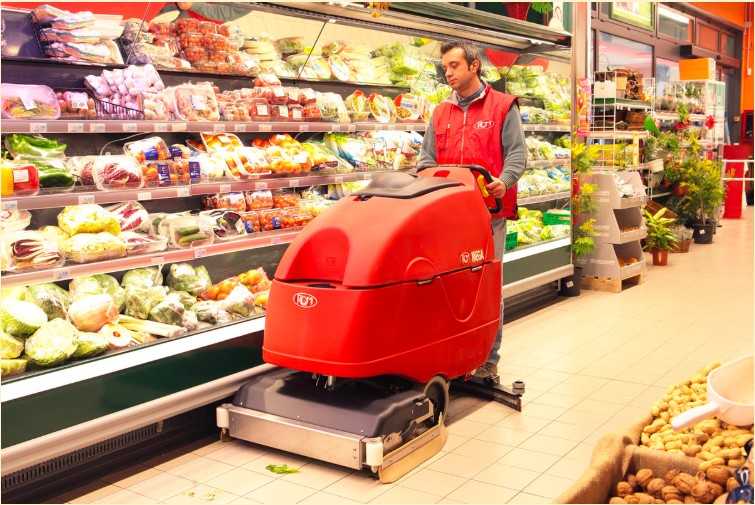
What Is a Cylindrical Brush?
A cylindrical brush, often called a roller brush in machine specifications, operates differently. Instead of a flat circular brush turning against the floor, the brush rotates across the width of the cleaning head.
This configuration can be useful where the floor has texture, joints or small areas where loose debris can collect. The rotating rollers can agitate the surface and handle small amounts of loose material before the recovery system removes the dirty water.
The RCM MEGA I is a great example, available in disc-brush and cylindrical-brush versions for added flexibility. The brush is available in a 500 mm cleaning width and can be specified with single discs, twin discs or even twin rollers. Its 60-litre solution tank and 68-litre recovery tank support longer cleaning periods between refills and emptying, enhancing the machine’s capacity.
Disc Brushes vs Cylindrical Brushes
| Factor | Disc brushes | Cylindrical brushes |
| Brush movement | Circular rotation | Horizontal roller rotation |
| Typical use | Smooth, sealed floor | Textured floors and areas with small loose debris |
| Cleaning action | Direct scrubbing against the floor | Scrubbing combined with agitation across the surface |
| Common machine configuration | Single or twin discs | Single or twin rollers |
| Useful consideration | Brush pressure and pad selection | Brush type, roller pressure and debris handling |
The difference between disc and cylindrical brushes becomes clearer when you consider the floor itself. There is no universal winner because a brush that works well on a smooth warehouse floor may not perform as well on a textured industrial surface.
When Disc Brushes Are the Better Choice
Disc brushes make sense when cleaning requirements focus primarily on removing ingrained dirt, marks, and residues from a relatively smooth floor. They provide direct contact with the surface and can work effectively with different pads and brush types. They are also a suitable choice when the cleaning routes involve tight turns and frequent changes in direction, as the machine needs to manoeuvre easily around the space.
The compact RCM LINK is designed for this type of environment, with a 530 mm single-brush version or 610 mm and 720 mm twin-brush configurations. It also has an 80-litre solution tank and an 80-litre recovery tank, supporting longer cleaning runs between refills and emptying.
Disc-brush machines can also be used where wider cleaning coverage is needed. The RCM ICON, for instance, provides 900 mm or 1,000 mm disc-cleaning widths and is also available with a 1,000 mm rolling-brush configuration. It offers a 200-litre solution tank and a 210-litre recovery tank.
These specifications show how disc-brush machines can range from compact equipment for more restricted areas to larger models designed for wider cleaning routes.
When Cylindrical Brushes Perform Better
Roller brushes can be beneficial on uneven floors. Warehouses, workshops, and industrial areas can have textured concrete, joints and small pieces of loose debris that require more than simple surface scrubbing. This is where a cylindrical brush can make sense. The roller works across the floor while the machine’s recovery system collects water and loosened dirt, helping keep the cleaning process contained in a single pass.
The GIGA is a useful example here because it can be fitted with twin discs or twin rollers. Its 800 mm cleaning width, 120-litre solution tanks, and 130-litre recovery tank let facilities teams choose the brush configuration without moving into a completely different machine category.
Which Brush Performs Better on Different Floor Types?
There is no universal answer to which floor scrubber brush is best. The floor is the starting point, but the way the space is used and the type of soiling also affect the decision.
A smooth warehouse aisle may favour a disc configuration, while a workshop with textured concrete, joints and loose debris may benefit from cylindrical brushes. Areas with frequent pedestrian or vehicle traffic may also require a different cleaning approach from a low-traffic storage space.
Consider the type and level of soiling, such as dust, oil residue, tracked-in dirt, or general surface marks. These factors place different demands on the cleaning system, so brush selection should match the overall machine specification.
Other Factors That Affect Cleaning Performance
Brush type is only one part of the cleaning head and other factors such as brush pressure, brush material, cleaning width and the amount of water and detergent delivered to the floor also affect the final result.
The recovery system matters just as much, because a scrubber dryer needs to collect the dirty water effectively after the brush has worked across the surface. Squeegee width and suction performance are equally important when evaluating the cleaning head.
Machine size also needs to match the site. For instance, the LINK is Euromec’s smallest RCM ride-on scrubber dryer and has an 80-litre solution tank, while the TERA has a 280-litre solution tank with a 305-litre recovery tank. The TERA also offers a disc configuration with cleaning widths from a 1,100 mm twin-disc head to a 1,100 mm twin-roller head and a 1,300 mm three-disc head.
Don’t overlook maintenance, as brushes, squeegees, batteries and other working components affect day-to-day availability. Servicing and access to replacement parts should be part of the equipment assessment before you purchase the machine.
Choosing the Right Floor Cleaning Equipment with Euromec
Knowing how to choose floor scrubber brushes starts with the floor, how the space is used, the type of soiling and how the space is cleaned. Ultimately, the best brush suits your workload and cleaning routes. For example, a compact pedestrian machine may suit a congested area, while a ride-on machine can reduce the time required to clean large, open floors.
We at Euromec supply a range of industrial cleaning machines, including pedestrian and ride-on scrubber dryers and sweepers, from established manufacturers, allowing facilities teams to compare machines by cleaning widths, brush configurations, tank capacities and power systems across the product range. We also provide after-sales support, servicing and access to parts, which are important areas when a cleaning machine is part of an organisation’s daily operations.
For more details, see Euromec’s cleaning machines or call us to discuss your floor-cleaning requirements. You could also book a demonstration or find a machine suited to your facility by sending us an enquiry at enquiries@euromec.co.uk